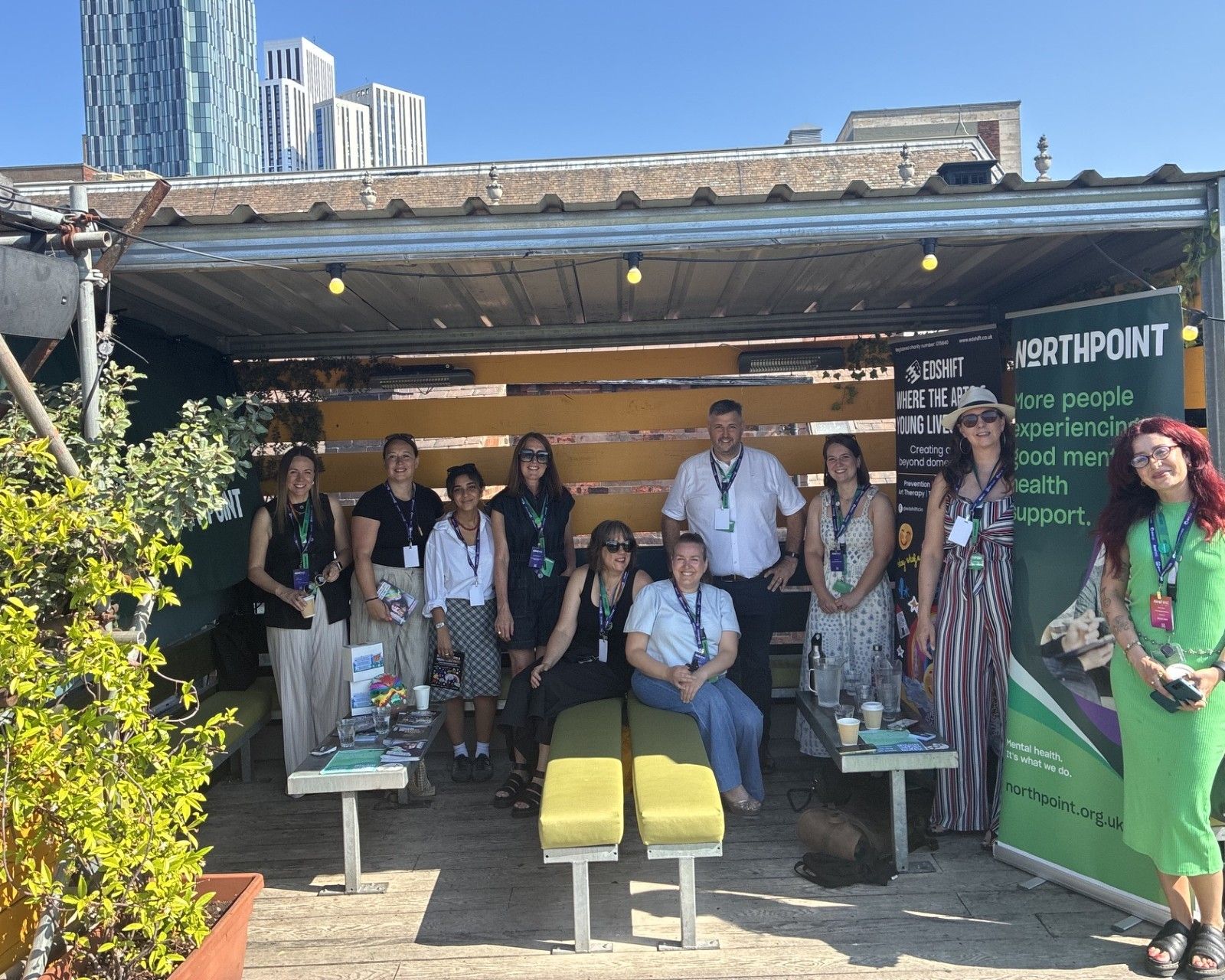
National Inclusion Week gives us a chance to reflect on how we are making sure inclusive practices are at the centre of the support we offer to children, young people and adults across Yorkshire and beyond.
For us, inclusion is not a one-off project or initiative. It is something our therapists and practitioners consider every day when supporting people to access psychological therapies.
Many of the people who access our services can face barriers that can make engagement with treatment more difficult. These barriers can include language differences, caring responsibilities, social isolation, cultural factors, physical health needs, work commitments, digital exclusion, financial pressures, or difficulties accessing traditional appointments.
An inclusive approach means recognising these barriers, working collaboratively with individuals to find ways of making support accessible. This may involve interpreter support, adapting communication methods, considering cultural needs, or finding alternative ways to engage when standard service models are not suitable.
A recent case highlighted the impact of this approach. A client faced multiple challenges, including language barriers, caring responsibilities, limited access to technology, and social isolation. By adapting the way support was delivered and working closely with interpreter services, the therapist was able to provide a safe and accessible therapeutic space. This enabled the client to engage meaningfully with therapy, develop greater self-understanding and self-compassion, and take positive steps towards future goals and greater independence.
While every person's circumstances are different, the principle remains the same. Inclusion is about ensuring that people are not excluded from support because of the challenges they face. It is about understanding individuals as unique people, recognising their needs, and adapting our approach wherever possible.
This is something our teams do every day, helping to ensure that psychological support is accessible, equitable, and responsive to the diverse communities we serve.