Leadership in the charity and mental health sector requires a careful balance of compassion, integrity and purpose alongside strong governance, strategy, and commercial understanding.
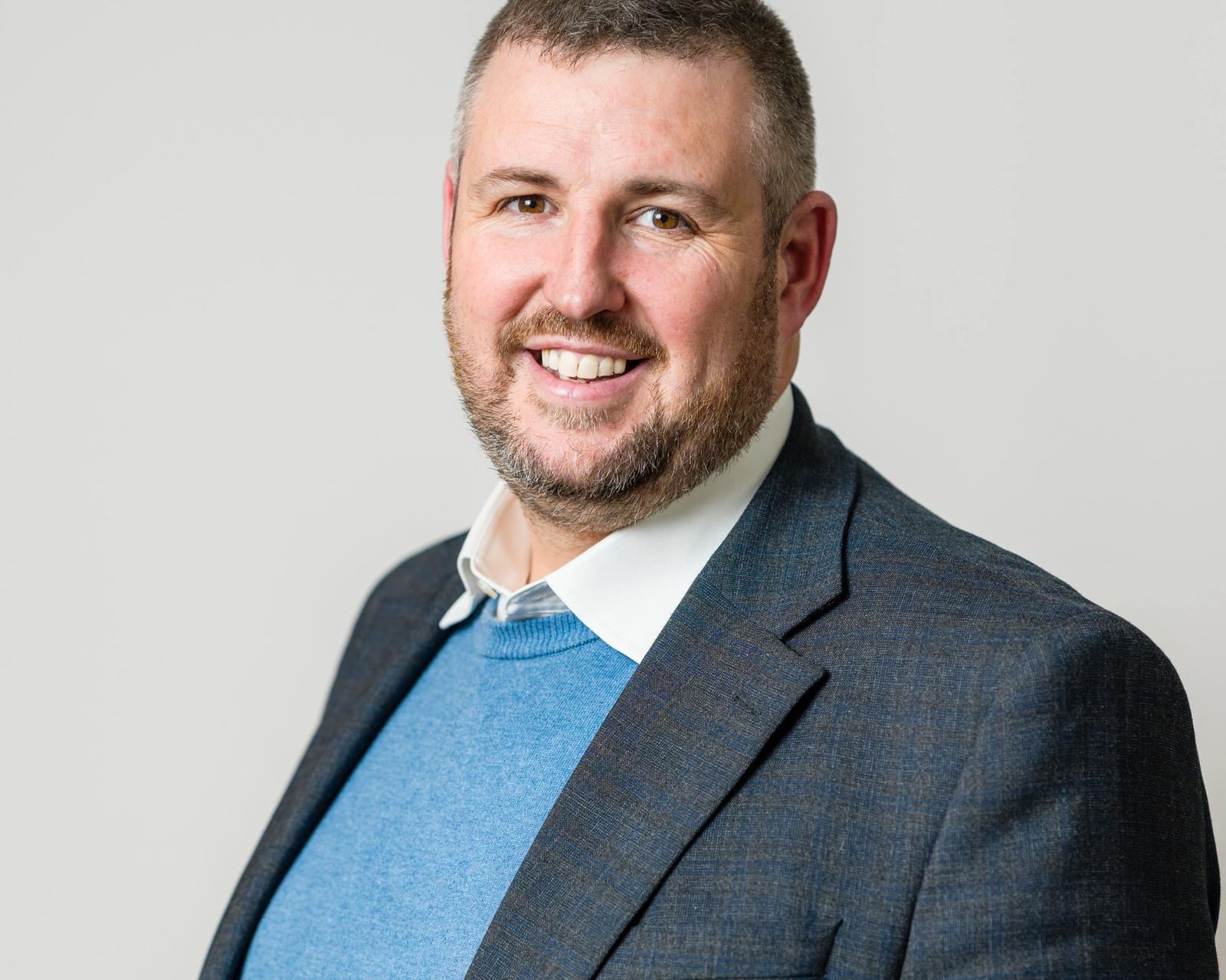
In this blog, our CEO, Duncan Pearse, reflects on his ten‑year journey to gaining Chartered Director status, an exclusive status held by some of the world’s best business directors and leaders. The qualification is ideal for those committed to their role and the contribution they make as a leader or director.
Sharing why he chose the qualification, what he learned along the way, and how it has shaped his approach to leading our organisation, Duncan talks to us about why professional development matters to him. Not just for personal growth, but for building resilient organisations that can continue to support the people who rely on them.
What motivated you to pursue the Chartered Director qualification?
“When you go into business, it’s all about profit and shareholders. However, when you work in charity, it’s more about the end user, beneficiaries, and making a difference. So, taking on this programme seemed like a helpful way to understand this and the best development opportunity for me at the time.
To me, the programme endorses what I bring to my work, demonstrating good credentials, strong integrity, and working towards a code of conduct.”
Can you explain what the Chartered Director programme involves?
“The first level was a certificate, which involved three-day residential modules. These included strategy, governance, leadership and finance. I found it inspiring and interesting to be around a business audience. I then had an exam on all the content.
Following my certificate, I went back for a further three days to complete the diploma. This involved using the knowledge I had learnt in the certificate stage to work through a case study. I worked within teams to build a strategy around a business, making decisions, and responding to real-life scenarios.
I then submitted my portfolio and responded to questions across various areas. Because I had met all the relevant criteria, I had an interview with a board of three chartered directors, who decided if I met the level from my portfolio.”
What makes this qualification unique to other leadership qualifications?
“The thing that really struck me was the range of people that I mixed with on the programmes. I was doing workshops with people globally, working all over the world in different roles, companies, and businesses. This enabled diverse perspectives on how things change, and how things are similar from industry to industry.
My former chief executive who first encouraged me on this journey once said: ‘you need the heart of the charity as well as the head of the business to be able to get it right. If you don’t get the organisation running as a business, you won’t have an organisation that can do the work that the heart wants.’ This is why I found the course so complimentary - I enjoy the business side, as I know it is allowing us to do more of the work that we want to do as a charity.”
What skills or knowledge did you gain that you didn’t have before?
“Prior to Northpoint, I’d never had the opportunity to go through a proper rebrand and repositioning of an organisation. As part of the qualification, we covered a marketing and strategy module, where we thought about audiences and competitor analysis. Rebranding Northpoint really brought to life the theory that I had learned on the course.
The module on governance has also come into play, focusing on how a board should function, including its responsibilities, codes of conduct, and how conflicts of interest are managed. All those factors are now embedded in how we work with our board, and I wouldn’t have understood or believed in their value without the rigour of this programme.”
What aspects of the programme do you think are most relevant to leading a mental health organisation?
“I think all parts of the programme are relevant, providing me with an all-round appreciation of the functions of running an organisation, including people, culture, finance, and strategy.
Reflecting on the last three and a half years, we’ve now reviewed every aspect of the organisation. We’ve embedded a new leadership structure, refreshed our governance and trustee board, implemented new systems, and developed new products for the sector.”
Do you see this qualification shaping the organisation in any way moving forward?
“As we go through different phases of development, it is important to retain the values and culture we have always had as a smaller organisation. This is an area where I’ll draw on those learnings again and revisit sections of the course.”
What advice would you give to someone considering the Chartered Director route?
“I’d advise you to embrace all the others candidates on the course. Thanks to the programme, I’ve still got many fantastic contacts that I connected with during my time.
Anticipate that committing your time and creating space for the programme can be a challenge. My advice would be to ensure you set routines and create enough time not just to do the course, but to really digest the information and how you can use it on a day-to-day basis.
When I began this programme, it felt quite aspirational, as I had no idea where my career would take me. So, my last piece of advice is that others should continue to aspire through their careers for that learning experience, as you never know what will open up for you in terms of opportunity down the line.”
What do you think makes a great leader in the charity sector? Share your perspective with us on our Bluesky or LinkedIn and if you’re curious about developing your skills further, check out the Chartered Director programme.